
تخصص الآثار والمتاحف هو مجال دراسة واستكشاف التاريخ القديم من خلال البقايا الأثرية والآثار الأثرية والتحف التاريخية.
يتضمن هذا التخصص دراسة الحضارات القديمة والتاريخ القديم، والتعرف على الثقافات التي عاشت في الماضي من خلال الآثار التي تركتها خلفها.
تشمل مجالات الدراسة في التخصص

- علم الآثار: دراسة الأشياء المادية التي تم العثور عليها والتي توفر معلومات عن الحضارات القديمة، مثل القطع الأثرية، والآثار المعمارية، والنقوش القديمة.
- التاريخ القديم: دراسة الحضارات والثقافات القديمة مثل الحضارة المصرية القديمة، والحضارة الرومانية، والحضارة اليونانية، وغيرها.
- الحفاظ على التراث: دراسة كيفية الحفاظ على الآثار والتحف التاريخية والتراث الثقافي للأجيال القادمة، سواء من خلال الترميم أو التوثيق.
- الأنثروبولوجيا الثقافية: فهم التاريخ البشري والتطور الثقافي والاجتماعي للشعوب القديمة من خلال الأدلة الأثرية.
- المتاحف والعرض الثقافي: تصميم وتنظيم المتاحف والمعارض الثقافية لعرض الآثار والتحف التاريخية بطريقة تعليمية وجذابة.
يهدف هذا التخصص إلى فهم التاريخ البشري والثقافات القديمة، والمساهمة في الحفاظ على التراث الثقافي للبشرية ونقل المعرفة والتاريخ للأجيال القادمة.
يعمل الخبراء في هذا المجال على إجراء الحفريات والدراسات الأثرية، وتحليل الآثار والتحف، وتنظيم المعارض الثقافية لنشر المعرفة والتثقيف حول التاريخ القديم.
مزايا دراسة تخصص الآثار والمتاحف
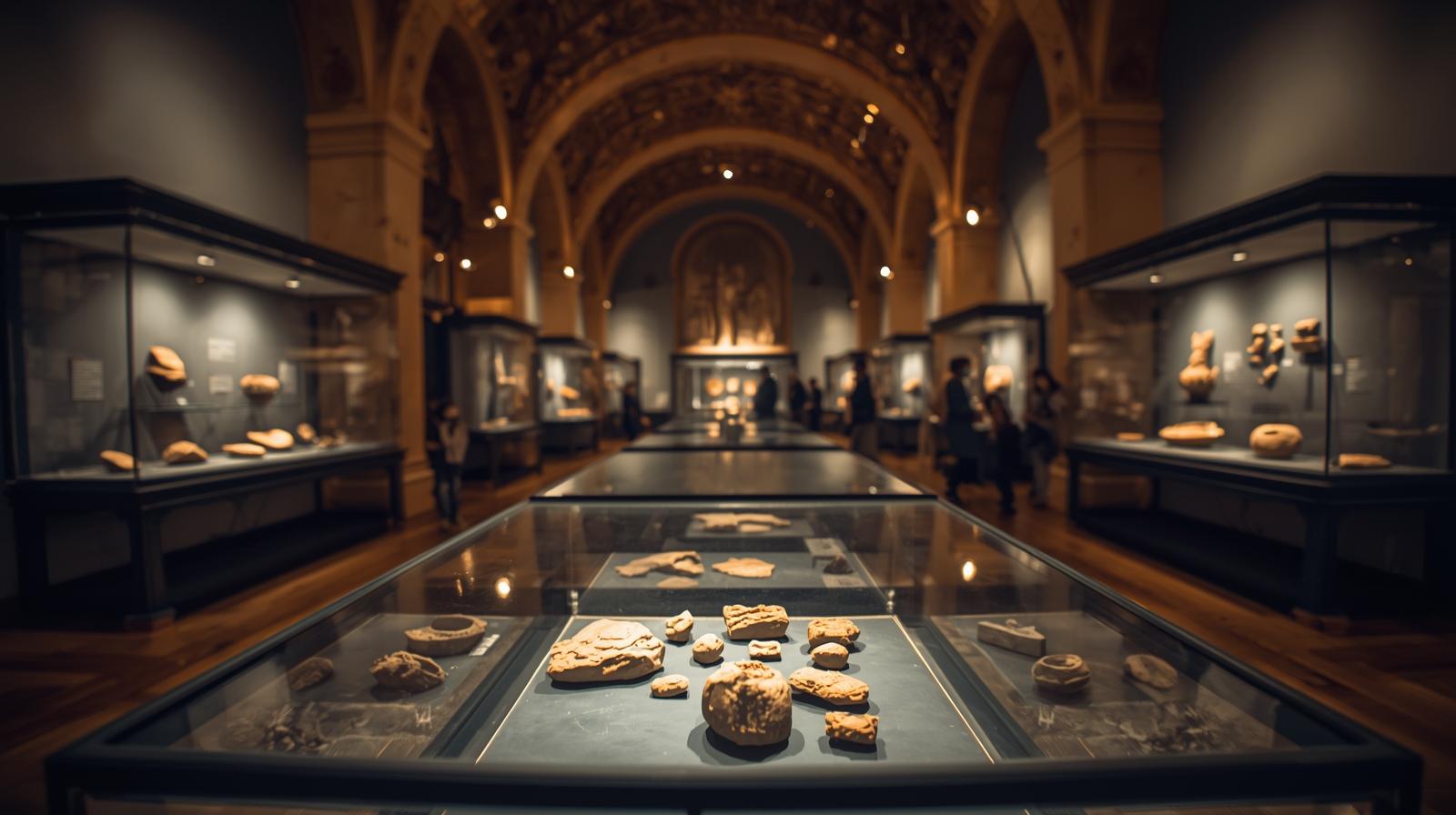
تخصص الآثار والمتاحف يُعتبر مجالًا ممتعًا ومثيرًا للدراسة والعمل، ويحمل العديد من المزايا التي تجعله جذابًا للكثير من الطلاب والباحثين.
إليك بعض المزايا الرئيسية لدراسة هذا التخصص:
- التعرف على التاريخ والثقافات القديمة: يمكن لطلاب التخصص أن يستكشفوا الحضارات القديمة والثقافات التي عاشت في الماضي، مما يوفر فهمًا أعمق للتاريخ البشري والتراث الثقافي.
- العمل الميداني والحفريات: يتيح للطلاب الفرصة للمشاركة في الحفريات والأعمال الميدانية لاكتشاف الآثار والمخطوطات القديمة مباشرةً، مما يجعله تجربة مليئة بالإثارة والتشويق.
- الحفاظ على التراث الثقافي: يعمل المتخصصون في الآثار والمتاحف على حماية والمحافظة على التراث الثقافي والتاريخي للمجتمع ونقل المعرفة للأجيال القادمة.
- التفاعل مع القطع الأثرية والتحف: يتيح للطلاب التفاعل المباشر مع الآثار والتحف التاريخية، مما يساعد في فهم الثقافات والفنون القديمة بشكل أفضل.
- تعزيز مهارات التحليل والبحث: يشجع التخصص على تطوير مهارات التحليل والبحث العلمي لفهم أصل الآثار وتاريخها بدقة.
- تطوير مهارات التواصل والتثقيف: يمكن لخبراء الآثار والمتاحف تنظيم المعارض والجولات والندوات التثقيفية للجمهور، مما يسهم في توعية الناس بالتاريخ والتراث الثقافي.
- فرص العمل المتنوعة: يمكن لخريجي هذا التخصص العمل في مجموعة متنوعة من المجالات، بما في ذلك البحث الأكاديمي، والعمل في المتاحف والمؤسسات الثقافية، والحفاظ على التراث، والسياحة الثقافية.
- المساهمة في البحث العلمي: يمكن لطلاب التخصص المساهمة في إثراء المعرفة العلمية حول الحضارات القديمة وتاريخها من خلال إجراء الدراسات والأبحاث الأكاديمية.
إن دراسة تخصص الآثار والمتاحف لها فوائد عديدة وتعتبر فرصة لاستكشاف العالم القديم والتعرف على التراث الثقافي والتاريخي الذي يشكل جزءًا أساسيًا من تطور الإنسانية.
سلبيات دراسة تخصص الآثار والمتاحف
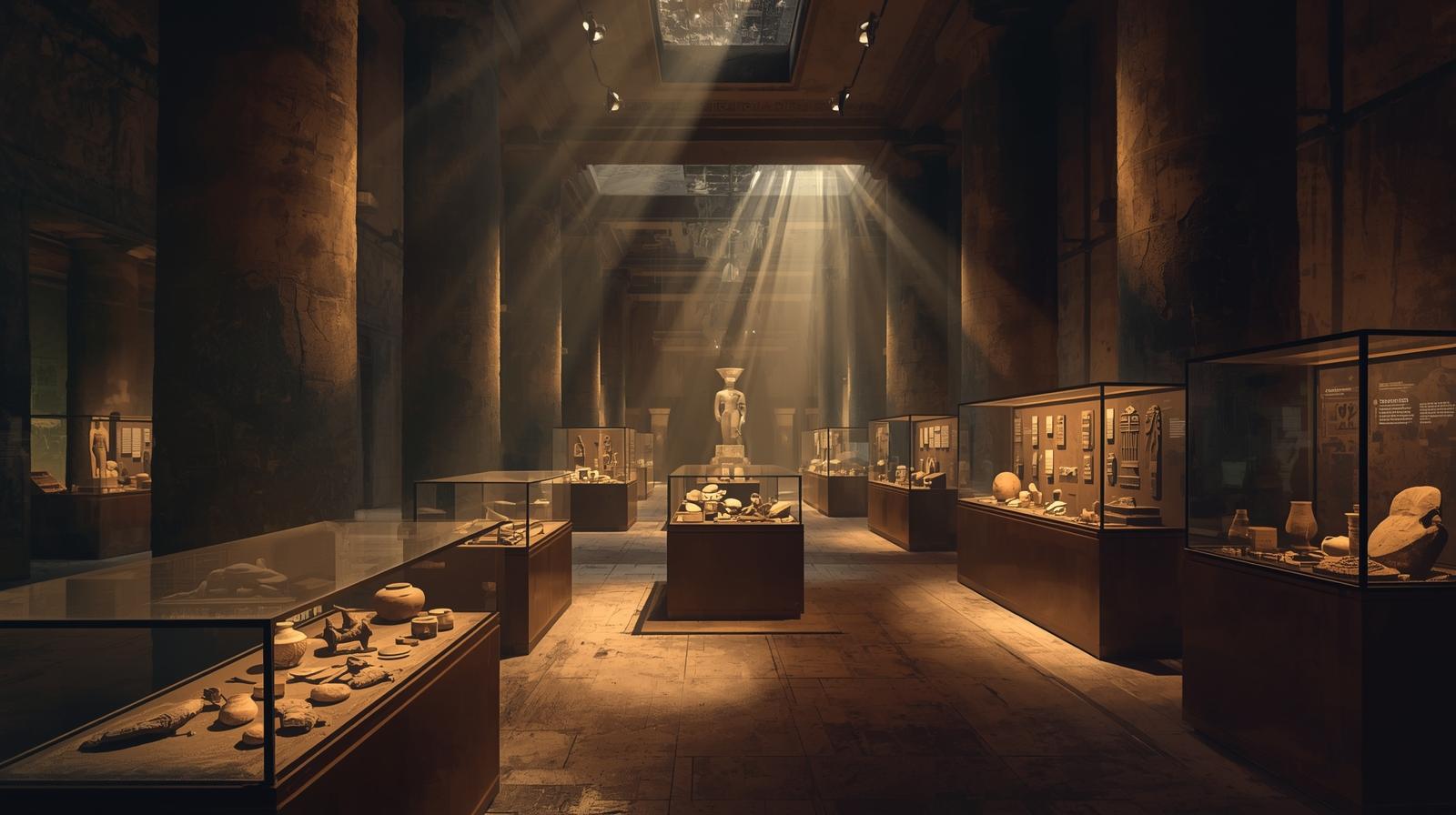
على الرغم من أن دراسة تخصص الآثار والمتاحف تحمل العديد من المزايا والجوانب المشوقة، إلا أنها قد تواجه بعض السلبيات والتحديات التي يجب أخذها في الاعتبار.
ومن بين هذه السلبيات:
القلة في فرص العمل: قد يكون هناك قلة في فرص العمل المتاحة في هذا المجال، خاصة في بعض الدول أو المناطق التي قد لا تكون لديها إقبال كبير على السياحة الثقافية أو دعم كافٍ للمتاحف والبحوث الأثرية.
المنافسة الشديدة: يعتبر هذا التخصص من التخصصات الجذابة للكثير من الطلاب والباحثين، مما يزيد من المنافسة على الوظائف والفرص الأكاديمية والبحثية.
العمل الميداني الشاق: يتطلب العمل في التنقيب والحفريات الأثرية الكثير من الجهد والعمل الشاق، حيث يتم العمل في ظروف بيئية قاسية وفي بعض الأحيان في مناطق نائية وصعبة الوصول.
التحفظ على الآثار: يتطلب الحفاظ على الآثار والتحف القديمة المعايير الدقيقة والمعايير الأخلاقية للعمل، وقد تواجه الجهات المعنية تحديات في التمويل والموارد اللازمة للحفاظ على الأثار والمحافظة عليها بشكل جيد.
الدراسات الطويلة: يحتاج الطلاب الذين يرغبون في التخصص إلى الاستعداد للدراسة لفترة طويلة من الزمن، حيث تتطلب دراسة الآثار والمتاحف غالبًا الحصول على درجة علمية متقدمة مثل الماجستير أو الدكتوراه.
التغيرات في السياسة والأمن: قد يتأثر العمل في مجال الآثار والمتاحف بالتغيرات السياسية والأمنية في بعض المناطق، مما قد يؤدي إلى تعطيل أو تأجيل الأنشطة الأثرية والمتاحفية.
على الرغم من هذه السلبيات، فإن التخصص لا يزال مهمًا وجذابًا للكثير من الأشخاص الذين يهتمون بالتاريخ والثقافة والحفاظ على التراث الثقافي للبشرية.
إذا كنت مهتمًا بهذا المجال، فقد تحظى بتجربة مميزة وتحقيق مساهمة قيمة في حماية التراث الثقافي وتوثيق التاريخ.
شروط تخصص الآثار والمتاحف
شروط تخصص الآثار والمتاحف قد تختلف قليلاً من جامعة إلى أخرى وبين الدول المختلفة، ولكن عمومًا يُطلب من الطلاب الراغبين في دراسة هذا التخصص توفير مجموعة من الشروط الأساسية.
إليك قائمة ببعض الشروط الشائعة:
- شهادة الثانوية العامة: يجب على الطلاب أن يكونوا حاصلين على شهادة الثانوية العامة أو ما يعادلها من مؤهل تعليمي.
- النجاح في اختبار القدرات العامة: قد تحتاج بعض الجامعات إلى اجتياز اختبار القدرات العامة لتحديد مدى تميز الطلاب وكفاءتهم في التحصيل الأكاديمي.
- معدل درجات جيد: يشترط عادة الحصول على معدل درجات جيد في الثانوية العامة، وقد تختلف الحد الأدنى للمعدل المطلوب من جامعة إلى أخرى.
- إجادة اللغة: قد تكون اللغة الإنجليزية هي اللغة الأساسية للدراسة في بعض الجامعات، لذلك يمكن أن تطلب الجامعة من الطلاب إثبات إجادتهم في اللغة من خلال اختبار تحديد المستوى.
- متطلبات إضافية: قد تحتاج بعض الجامعات إلى توفير شهادات أخرى أو مؤهلات معينة، مثل شهادات معترف بها في مجالات ذات صلة بالآثار والتراث.
- رسالة تحفيزية أو مقابلة شخصية: قد تطلب بعض الجامعات من الطلاب تقديم رسالة تحفيزية أو إجراء مقابلة شخصية لتوضيح أهدافهم واهتماماتهم بالتخصص.
يجب على الطلاب الاطلاع على متطلبات التحاق بالجامعات والكليات التي يرغبون فيها بدراسة تخصص الآثار والمتاحف، والتأكد من تقديم جميع الوثائق المطلوبة في الموعد المحدد.
هذه المتطلبات تهدف إلى ضمان أن الطلاب الذين يدرسون هذا التخصص يتمتعون بالقدرات والمعرفة الأساسية التي تؤهلهم للتعامل مع التحديات الأكاديمية والعملية في مجال الآثار والمتاحف.
المواد الدراسية في تخصص الآثار والمتاحف
هذه المواد الدراسية تهدف إلى تزويد الطلاب بالمعرفة والمهارات اللازمة لفهم التاريخ القديم والثقافات القديمة والعمل في مجال الآثار والمتاحف.
يمكن أن تختلف البرامج الأكاديمية في تركيبتها وتركيزها بناءً على مجموعة متنوعة من العوامل مثل موقع الجامعة والتوجهات البحثية للأساتذة والمتطلبات المحددة للتخصص.
- الآثار
- الأنثروبولوجيا
- التاريخ
- تاريخ الفن
- علم الحفظ الطبيعي
- دراسات المتاحف
- الآثار الكلاسيكية
- الحضارات القديمة
- علم الأحفوريات
- التراث الثقافي
- التنقيب الأثري
- الإثنوغرافيا
- علم النقوش القديمة
- الجيوفيزياء في الآثار
- الأنثروبولوجيا الثقافية
- إدارة المتاحف
- الآثار التاريخية
- علم عظام الإنسان القديم
- إدارة الموارد الثقافية
- حماية التراث الثقافي
- تنسيق محتوى المتاحف
- الفن القديم
- علم النقود القديمة
- إثنوغرافيا الآثار
- الأنثروبولوجيا المرئية
- السياحة الثقافية
- أخلاقيات الحفظ
- مسح أثري
- دراسات ثقافة المواد
- الأنثروبولوجيا الشرعية
- الآثار البحرية
- اللغات القديمة
- تحليل أثري
- الآثار العامة
- التراث الثقافي العامة
- الحفظ التراثي
- تصميم المعارض التاريخية
- تقنيات تحديد التواريخ الأثرية
- الآثار الحضرية
- الأثنوموسيقولوجيا
- الحفظ الفني
- علم الزراعة الأثري
- قانون الممتلكات الثقافية
- إدارة التراث
- التعليم في المتاحف
- الآثار تحت الماء
- علم الهيئة الحيوانية في الآثار
- الحفظ المعماري
- دراسات الشعوب الأصلية
- قانون الحفظ الثقافي
المستقبل الوظيفي
تخصص الآثار والمتاحف يفتح العديد من الفرص الوظيفية للخريجين، وقد يعملون في مجموعة متنوعة من المجالات ذات الصلة بالتاريخ والثقافة والحفاظ على التراث الثقافي.
إليك بعض الاحتمالات المستقبلية للعمل بعد تخرجك في هذا التخصص:
مجالات العمل لخريجي تخصص الآثار والمتاحف
- عالم أثري: يعمل العالم الأثري في الحفريات والتنقيبات الأثرية لاكتشاف ودراسة الآثار والمواقع الأثرية.
- أخصائي حفظ وترميم: يقوم بترميم وصيانة الآثار والتحف التاريخية للمحافظة عليها وعرضها بشكل جيد.
- باحث تاريخي: يقوم بإجراء البحوث والدراسات التاريخية حول الحضارات القديمة والثقافات التاريخية.
- أخصائي متاحف: يعمل في المتاحف ويساهم في تنظيم المعارض والبرامج التعليمية والترويج للتراث الثقافي.
- محافظ تراث: يعمل في المؤسسات الحكومية أو غير الحكومية للحفاظ على التراث الثقافي وتطبيق السياسات الحفاظية.
- مدير متحف: يدير عمليات المتاحف بما في ذلك التخطيط والإدارة المالية والتسويق.
- أخصائي سياحة ثقافية: يعمل في صناعة السياحة لتنظيم جولات وبرامج سياحية ثقافية تركز على الآثار والتراث.
- أستاذ جامعي: يمكن أن يسعى الخريجون للعمل في مجال التدريس والبحث في الجامعات والمعاهد الأكاديمية.
- أخصائي حماية التراث: يعمل في الجهات الحكومية والمنظمات غير الحكومية للعمل على حماية التراث الثقافي ومواقع الآثار.
- استشاري تاريخي: يقدم المشورة والخبرة التاريخية للمشاريع والمؤسسات ذات الصلة بالتاريخ والتراث الثقافي.
المسارات الوظيفية
- المتاحف والمؤسسات الثقافية
- التنقيب والحفريات الأثرية
- الحفاظ على التراث الثقافي
- البحث الأكاديمي في الآثار والتاريخ
- ترميم الآثار والتحف التاريخية
- تصميم وتنظيم المعارض الثقافية
- السياحة الثقافية والسياحة الأثرية
- العمل في الجهات الحكومية ذات الصلة بالتراث
- استشارات تاريخية وثقافية
- إدارة مشاريع حفظ التراث الثقافي
- البحث والتوثيق في الآثار الإنسانية والطبيعية
- التعليم والتثقيف في المتاحف والمؤسسات الثقافية
- إعداد البرامج التربوية والتثقيفية الخاصة بالآثار
- مكتبات وأرشيف الآثار والتراث الثقافي
- تطوير التكنولوجيا المستخدمة في البحث الأثري والترميم
- العمل الحر والتدريس الخاص في مجال الآثار
- دراسة وتوثيق اللغات والثقافات القديمة
- البحث والتحليل في التاريخ العمراني والمعماري
- العمل مع المنظمات الأثرية الدولية والمنظمات غير الحكومية
- المشاركة في المؤتمرات والندوات العلمية في مجال الآثار والتراث
- العمل في المعامل الأثرية والمختبرات المتخصصة
- تنظيم الجولات السياحية الثقافية والتاريخية
- تطوير البرامج الرقمية والتقنيات التفاعلية لعرض الآثار
- العمل في مجال الصحافة والإعلام الثقافي والتراثي
- العمل في مجال النشر وتأليف الكتب والمقالات التاريخية
- تنظيم المؤتمرات والفعاليات الثقافية والأكاديمية
- البحث وتطوير التقنيات الحديثة لتحليل الآثار والمواقع الأثرية
- العمل في مجال السياحة الدينية وزيارة المعابد والمواقع الأثرية المقدسة
- العمل كمرشد سياحي متخصص في السياحة الثقافية والأثرية
- توثيق الآثار والمواقع الأثرية بواسطة التصوير الفوتوغرافي والأفلام الوثائقية
خاتمة المقال
في ختام هذا المقال، يمكننا القول إن تخصص الآثار والمتاحف هو تخصص شيق ومثير يتيح للطلاب فرصًا متعددة في فهم التاريخ والثقافة والحفاظ على التراث الثقافي للبشرية.
من خلال دراسة هذا التخصص، يتعرف الطلاب على حضارات قديمة وثقافات متنوعة ويكتشفون الألغاز والمفاجآت التي تكمن في الآثار القديمة.
تتضمن مجالات العمل لخريجي هذا التخصص العديد من الفرص المثيرة في المتاحف والآثار ومؤسسات الثقافة والتراث.
يمكنهم العمل في التنقيب والحفريات والبحث الأكاديمي وترميم الآثار وتصميم المعارض والترويج للتراث الثقافي والتعليم والتثقيف في المتاحف، وغيرها من المجالات المتنوعة.
إن تخصص الآثار والمتاحف يساهم في الحفاظ على الهوية الثقافية للشعوب ويساهم في نقل المعرفة التاريخية للأجيال القادمة.
ومن خلال جهود خريجي هذا التخصص، يتمكن العالم من التعرف على جمال التاريخ والثقافة والتراث الإنساني والاحتفاظ به لأجيال قادمة.
المصادر
- منظمة اليونسكو – التراث العالمي: للحصول على معلومات حول المعايير الدولية لحماية المواقع الأثرية والتراث الإنساني. https://whc.unesco.org
- المجلس الدولي للمتاحف (ICOM): المصدر الرئيسي لتعريفات العمل المتحفي وأخلاقيات المهنة وتطوير العرض الثقافي. https://icom.museum
- مبادرة “أركميولوجي” (Archeology Magazine): للاطلاع على أحدث الاكتشافات الميدانية وتقنيات التحليل الأثري الحديثة. https://www.archaeology.org
لا توجد تعليقات بعد