
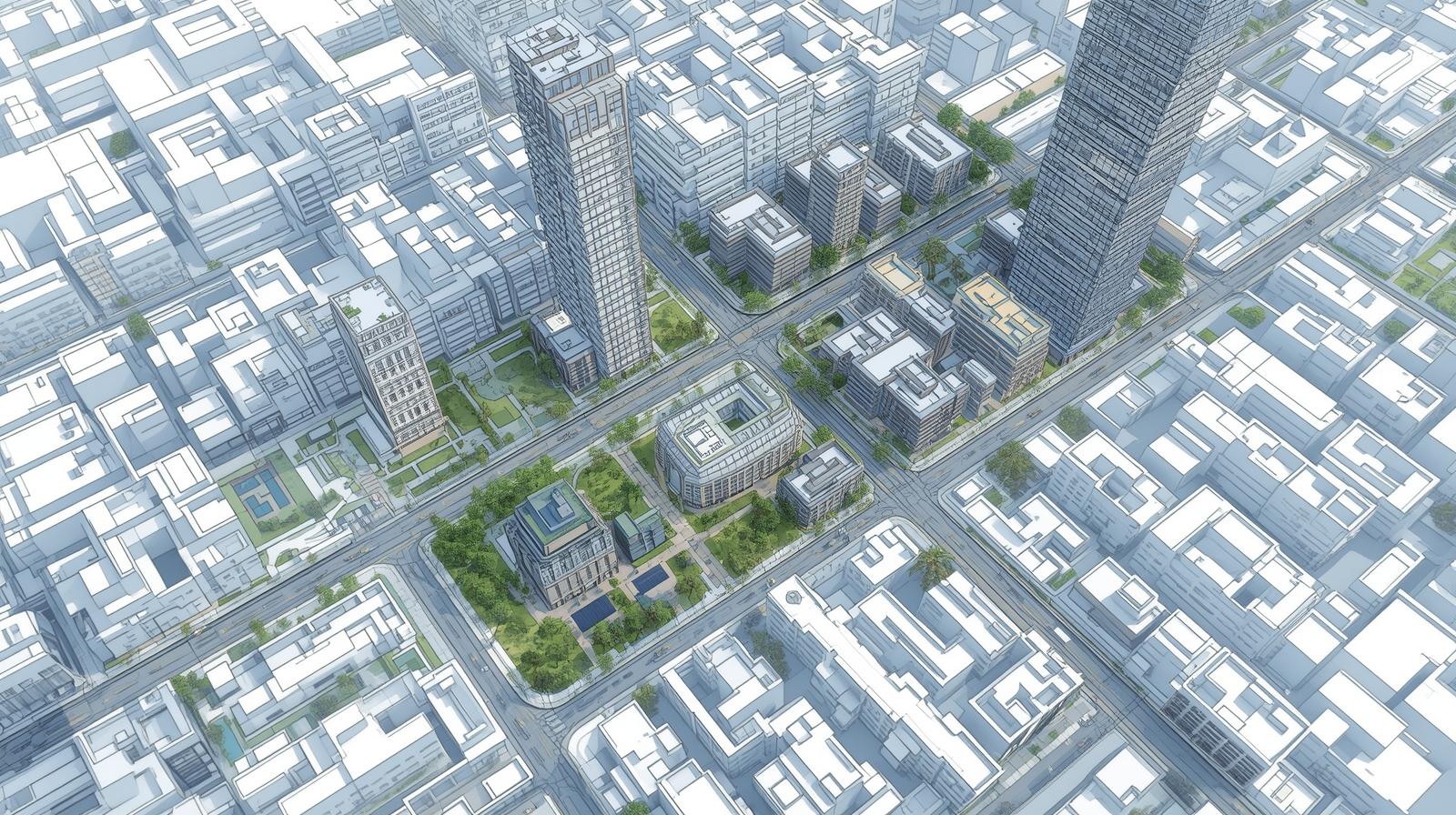
تخصص التخطيط الحضري (Urban Planning) يُعنى بتنظيم وتطوير المساحات الحضرية والمدن بهدف تحقيق التنمية المستدامة وتحسين جودة الحياة في المجتمعات الحضرية.
يُعتبر التخطيط الحضري جزءًا هامًا من عملية التنمية الحضرية ويشمل العديد من المجالات والاختصاصات التي تعمل معًا لتحقيق أهداف محددة.
مجالات اهتمام التخطيط الحضري
- تخطيط المدن والمناطق الحضرية
- التصميم الحضري
- المواصلات والتنقل الحضري
- التخطيط البيئي والاستدامة
- التخطيط الاقتصادي والاجتماعي
- التخطيط العمراني والتجميل الحضري
يُعتبر التخطيط الحضري أمرًا حيويًا للمدن الحديثة، حيث يساهم في تحسين جودة الحياة، وتحقيق الاستدامة البيئية والاجتماعية والاقتصادية، وتنظيم النمو الحضري والحفاظ على الهوية الثقافية للمجتمعات الحضرية.
تخطيط المدن والمناطق الحضرية
تخطيط المدن والمناطق الحضرية هو عملية تنظيم النمو والتطور الحضري للمدن والمناطق المعينة بهدف تحقيق التنمية المستدامة وتحسين جودة الحياة لسكان المدينة.
يُعتبر التخطيط الحضري أحد أهم الأدوات التي تساهم في تحسين البنية التحتية للمدن وتعزيز المزايا الاقتصادية والاجتماعية والبيئية للمجتمعات الحضرية.
يتضمن تخطيط المدن والمناطق الحضرية عدة جوانب ومراحل، من بينها:
- دراسات الموقع والتحليل: يتم تقييم الموقع وتحليل العوامل الجغرافية والاقتصادية والاجتماعية التي تؤثر في تنمية المدينة.
- وضع الرؤية والأهداف: يتم تحديد الرؤية المستقبلية للمدينة وتحديد الأهداف الحضرية المرجوة، مثل توفير فرص العمل، تحسين النقل العام، وتعزيز البنية التحتية.
- تحديد المناطق والاستخدامات الأرضية: يتم تخصيص المناطق للاستخدامات المختلفة مثل السكنية والتجارية والصناعية والخدمية، مع مراعاة توازن الاحتياجات وتوفير المساحات الخضراء والمرافق العامة.
- تطوير الخطط العمرانية: تُعد الخطط العمرانية لتحديد تنظيم المدن والمناطق الفرعية والمخططات الزمنية لتنفيذ المشروعات.
- النقل والتنقل: يتم تخطيط وتحسين النظام النقلي والتنقل في المدينة لتسهيل حركة المرور وتوفير وسائل نقل عام فعالة.
- الحفاظ على التراث الثقافي والبيئي: يتم العمل على الحفاظ على المواقع التاريخية والتراث الثقافي وتوفير المساحات الخضراء والمناطق الطبيعية.
- تنمية المرافق والبنية التحتية: يتم توفير المرافق والبنية التحتية اللازمة لتلبية احتياجات السكان، مثل المياه والصرف الصحي والكهرباء والاتصالات.
- المشاركة المجتمعية: تشمل عملية التخطيط الحضري مشاركة المجتمع المحلي واستماع آرائهم وملاحظاتهم حول تطوير المدينة.
تهدف جميع هذه الجوانب إلى تحقيق توازن بين الاحتياجات الحالية والمستقبلية للمجتمع الحضري والمحافظة على استدامة المدينة والتحسين المستمر للظروف المعيشية والاقتصادية والبيئية.
التصميم الحضري
التصميم الحضري هو عملية تطوير الخطط والمشاريع المعمارية والتخطيطية التي تهدف إلى تنظيم وتشكيل المساحات الحضرية بطريقة تحسن جودة الحياة وتلبي احتياجات السكان.
يتعلق التصميم الحضري بتحديد طرق استخدام الأراضي وتوزيع المباني والمنشآت والمرافق العامة في المدينة بما يتناسب مع احتياجات المجتمع ويعزز جمالية ووظائف المدينة.
تشمل مكونات التصميم الحضري عدة جوانب، منها:
- تخطيط المساحات العامة: تصميم الحدائق والساحات والمناطق الترفيهية والمسارات العامة التي تساهم في تعزيز حياة المدينة وتوفير مكان للتجمعات والتفاعل الاجتماعي.
- تصميم المباني والبنى التحتية: تشمل تصميم المباني السكنية والتجارية والصناعية والمرافق العامة مثل المدارس والمستشفيات والمراكز التجارية بما يتناسب مع الطابع العمراني للمدينة.
- الحفاظ على الهوية الثقافية والتراثية: يُؤخذ في الاعتبار الحفاظ على العمارة التقليدية والمواقع التاريخية والثقافية في عملية التصميم الحضري.
- التنقل والمرور: يتضمن تصميم وتخطيط الشوارع والطرق بطريقة تسهل حركة المرور وتعزز وسائل النقل العام والمشاة والدراجات الهوائية.
- الاستدامة البيئية: يُولى اهتمام كبير للحفاظ على البيئة واستخدام تقنيات وممارسات مستدامة في التصميم الحضري، مثل الحد من التلوث وتوفير المساحات الخضراء.
- المشاركة المجتمعية: تشمل عملية التصميم الحضري مشاركة المجتمع المحلي والاستماع إلى آرائهم وملاحظاتهم لتضمين احتياجاتهم ورؤيتهم في التصميم النهائي.
تهدف عملية التصميم الحضري إلى خلق مساحات حضرية متكاملة وجذابة وعملية تلبي احتياجات سكان المدينة وتحقق الاستدامة البيئية والاجتماعية والاقتصادية للمجتمعات الحضرية.
تتطلب هذه العملية تعاونًا بين المهندسين المعماريين والمخططين الحضريين والجهات الحكومية والمجتمع المحلي لتحقيق أفضل النتائج.
المواصلات والتنقل الحضري
المواصلات والتنقل الحضري هي مجموعة الأنظمة والوسائل التي تُستخدم لتحريك الناس والبضائع داخل المدن والمناطق الحضرية.
تُعد المواصلات الحضرية جزءًا حيويًا من التخطيط الحضري وتُعتبر أحد التحديات الكبرى التي تواجه المدن الحديثة نظرًا للنمو السريع للسكان وزيادة الازدحام المروري.
تشمل وسائل المواصلات والتنقل الحضري مجموعة متنوعة من الوسائل، منها:
- النقل العام: يشمل الحافلات والترام والقطارات الضواحي والمترو الأنفاق. هذه الوسائل تسهم في تحسين تنقل السكان داخل المدينة وتقليل ازدحام الطرق.
- الدراجات الهوائية: تُعد وسيلة مستدامة وصديقة للبيئة للتنقل الحضري، ويتم توفير مسارات خاصة للدراجات الهوائية لتحسين سلامة راكبي الدراجات.
- المشاة: يجب أن تكون المدن صديقة للمشاة بتوفير ممرات ورصيف آمن ومرافق للمشاة لتشجيع المشي وجعله خيارًا جذابًا للتنقل القصير.
- التكنولوجيا والابتكارات: تشمل الحلول التكنولوجية مثل التطبيقات الذكية للنقل العام وخدمات الركوب المشتركة والذكية التي تجعل التنقل الحضري أكثر فاعلية وسهولة.
تهدف استراتيجيات المواصلات والتنقل الحضري إلى تحسين الوصول إلى الخدمات والأنشطة داخل المدينة وتقليل التلوث وازدحام الطرق وتعزيز الاستدامة البيئية.
تتطلب هذه الاستراتيجيات تنسيقًا بين الجهات الحكومية والمؤسسات المعنية والجمهور لتحقيق تحسينات فعالة في نظام المواصلات الحضرية.
التخطيط البيئي والاستدامة
التخطيط البيئي والاستدامة يُعنى بتطوير وتنفيذ الخطط والسياسات والمشاريع الحضرية بطريقة تحسن جودة البيئة وتحقق التنمية المستدامة.
يهدف هذا النوع من التخطيط إلى تحقيق التوازن بين احتياجات النمو الحضري والحفاظ على الموارد الطبيعية والبيئة.
يتضمن التخطيط البيئي والاستدامة عدة جوانب وأهداف، منها:
- حماية الموارد الطبيعية: يتم التأكيد على حماية الموارد الطبيعية الهامة مثل المياه النقية والتربة الصالحة للزراعة والمساحات الخضراء والغابات. يهدف ذلك إلى الحفاظ على التنوع البيولوجي وضمان استدامة هذه الموارد للأجيال الحالية والمستقبلية.
- التقليل من التلوث والانبعاثات: يُولى اهتمام كبير للحد من التلوث البيئي والانبعاثات الضارة التي تنبعث من النشاطات الصناعية والنقل والاستخدامات البشرية الأخرى. يتم التحرك نحو استخدام مصادر الطاقة النظيفة وتطبيق التكنولوجيات البيئية للحفاظ على نظافة الهواء والمياه والتقليل من تأثيرات التلوث على البيئة والصحة العامة.
- التنمية المستدامة: يسعى التخطيط البيئي والاستدامة إلى تحقيق التنمية المستدامة على الصعيدين الاقتصادي والاجتماعي. يتطلب ذلك الحرص على تلبية احتياجات الجيل الحالي من دون المساس بقدرة الأجيال المستقبلية على تلبية احتياجاتها.
- تعزيز النمط العمراني المستدام: يُحث على تطوير النمط العمراني المستدام الذي يعزز المسافات المشي للأقدام ووسائل النقل العام ويُعزز من التفاعل الاجتماعي ويقلل من اعتماد المركبات الخاصة وانبعاثاتها.
- المشاركة المجتمعية: يعتبر التخطيط البيئي والاستدامة عملية شاملة تشمل مشاركة المجتمع المحلي والجمهور في صنع القرارات المتعلقة بالتخطيط الحضري والبيئي. يُشجع على استماع آراء الناس وتضمين احتياجاتهم واهتماماتهم في عملية التخطيط.
تهدف التخطيط البيئي والاستدامة إلى خلق مدن مستدامة توفر بيئة صحية وجذابة للسكان وتسهم في الحفاظ على الموارد الطبيعية والتنوع البيولوجي للأجيال الحالية والمستقبلية.
يعد التكامل بين التخطيط البيئي والاقتصادي والاجتماعي أمرًا حيويًا لضمان تحقيق التنمية المستدامة في المجتمعات الحضرية.
التخطيط الاقتصادي والاجتماعي
التخطيط الاقتصادي والاجتماعي هو عملية وضع الخطط والاستراتيجيات التي تهدف إلى تحسين النمو الاقتصادي والتنمية الاجتماعية في المجتمعات والمناطق المحددة.
يهدف التخطيط الاقتصادي والاجتماعي إلى تحقيق التوازن بين الاحتياجات الاقتصادية والاجتماعية وتوجيه الاستثمارات والموارد لتحقيق التنمية المستدامة وتحسين جودة الحياة للأفراد.
جوانب التخطيط الاقتصادي والاجتماعي تشمل:
- التنمية الاقتصادية: يتعلق التخطيط الاقتصادي بتحديد الأهداف الاقتصادية للمجتمع وتحديد السياسات والاستراتيجيات اللازمة لتحقيق نمو اقتصادي مستدام. يتضمن هذا تعزيز الاستثمارات في البنية التحتية، وتطوير القطاعات الاقتصادية الحيوية، وتحسين مناخ الأعمال.
- التوازن الاقتصادي: يُسعى إلى تحقيق التوازن بين القطاعات الاقتصادية المختلفة وتحقيق التنمية المتوازنة في مختلف المناطق. يُحاول التخطيط الاقتصادي والاجتماعي تفادي التفاوت الاقتصادي والاجتماعي بين الفقراء والأغنياء وتوجيه الاستثمارات إلى المناطق الأكثر احتياجًا.
- التنمية الاجتماعية: يهدف التخطيط الاجتماعي إلى تحقيق التنمية البشرية وتحسين جودة الحياة للمواطنين. يُركز على تحسين الخدمات الاجتماعية مثل التعليم والصحة والإسكان وتوفير فرص العمل والحد من الفقر والتمييز.
- المشاركة المجتمعية: يعتبر التشاور والمشاركة المجتمعية عنصرًا مهمًا في التخطيط الاقتصادي والاجتماعي. يجب أن يُشرك المواطنون والمجتمع المحلي في صنع القرارات المتعلقة بالتنمية وتحديد الأولويات والاحتياجات الاقتصادية والاجتماعية.
- الاستدامة: يهدف التخطيط الاقتصادي والاجتماعي إلى تحقيق التنمية المستدامة التي تلبي احتياجات الجيل الحالي دون المساس بقدرة الأجيال المستقبلية على تلبية احتياجاتها. يُعتبر الحفاظ على الموارد الطبيعية والتنوع البيولوجي والحد من التلوث جزءًا أساسيًا من هذه الاستراتيجية.
يتطلب التخطيط الاقتصادي والاجتماعي تعاونًا بين الحكومات والمؤسسات والمجتمع المحلي لتحقيق التنمية المستدامة وتحسين الظروف الاقتصادية والاجتماعية للمجتمعات.
يتطلب الأمر أيضًا التحليل الدقيق للبيانات والمعطيات الاقتصادية والاجتماعية لتحديد الاحتياجات ووضع السياسات الفعالة للتحسين.
التخطيط العمراني والتجميل الحضري
التخطيط العمراني والتجميل الحضري هما جزءان مهمان من التخطيط الحضري يهدفان إلى تحسين البيئة الحضرية وتجميل المدن والمناطق الحضرية بطريقة تعزز جودة الحياة وتجعل المدن أكثر جاذبية للسكان والزوار.
وعلى الرغم من أنهما يرتبطان بشكل وثيق، فإن كل منهما يركز على جوانب مختلفة من التحسين الحضري.
التخطيط العمراني:
يهدف التخطيط العمراني إلى تنظيم نمو وتطور المدن والمناطق الحضرية بشكل منطقي ومستدام.
وهو يشمل تحديد كيفية استخدام الأراضي وتخصيصها لأغراض مختلفة مثل السكن والتجارة والصناعة والمرافق العامة.
ويُعتبر التخطيط العمراني أداة هامة لضمان توازن تطور المدن ومنع التشتت العشوائي، وكذلك لتحسين جودة البيئة الحضرية وتوفير الخدمات الأساسية للسكان.
التجميل الحضري:
يهدف التجميل الحضري إلى تحسين المظهر الجمالي والبصري للمدن والمساحات العامة والأحياء السكنية.
يُعنى التجميل الحضري بتطوير المناظر الطبيعية وترتيب الأشجار والنباتات وتصميم الشوارع والساحات بشكل يجعلها أكثر جاذبية وملاءمة للاستخدامات المختلفة.
وهو يشمل أيضًا تحسين المباني والمنشآت العامة وإعادة تطوير المناطق القديمة لتحسين جودة المعيشة والجذب السياحي.
تجتمع الجوانب العمرانية والتجميلية في التخطيط الحضري لتحقيق مدن جميلة ومستدامة.
وتعتبر جودة المظهر الحضري أحد العوامل الهامة التي تؤثر في جودة الحياة وجذب الاستثمار والسكان.
يتطلب التحسين الحضري التنسيق بين العديد من الجهات بما في ذلك الحكومات المحلية والمهندسين المعماريين والمخططين والمجتمع المحلي.
متطلبات دراسة تخصص تخصص التخطيط الحضري
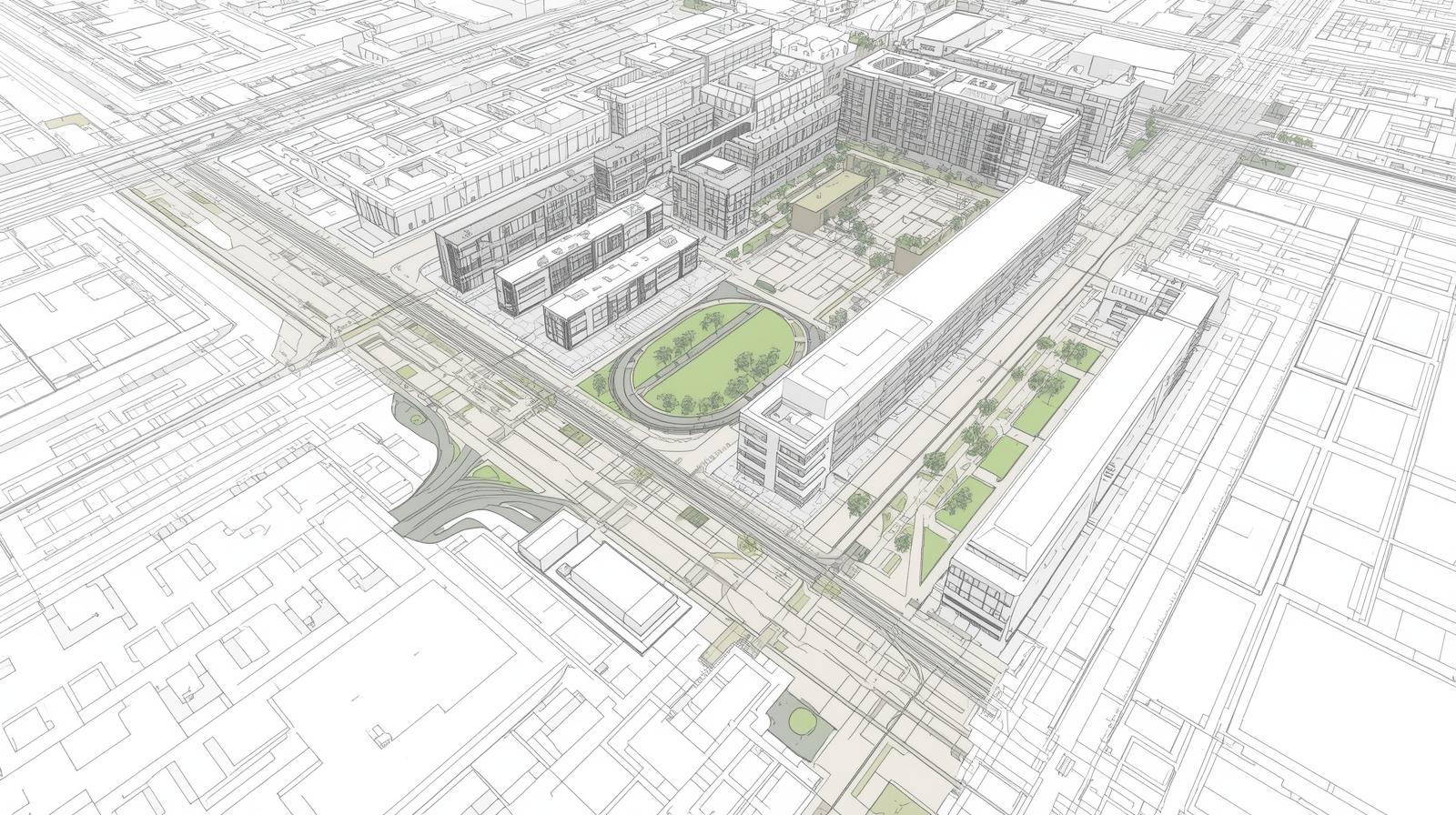
دراسة تخصص التخطيط الحضري تتطلب الاستعداد والالتزام لمواجهة تحديات تخصص مثيرة وشيق.
إليك بعض المتطلبات الأساسية لدراسة تخصص التخطيط الحضري:
الاهتمام بالمدن والتطور الحضري: يجب أن يكون لديك شغف واهتمام بالمدن وكيفية تنمو وتتطور.
يتطلب هذا فهمًا عميقًا لتحديات المدن الحديثة والتطورات العمرانية.
الدراسة في مجال ذو صلة: يمكن أن يكون التخطيط الحضري تخصصًا مستقلاً أو يتم دراسته ضمن تخصصات أخرى مرتبطة بالعمران والجغرافيا والعمارة.
القدرة على التحليل والبحث: يعتمد التخطيط الحضري على القدرة على التحليل وفهم المعطيات والبيانات الحضرية وتطبيقها في تحديد الاحتياجات ووضع السياسات.
المهارات البصرية والجغرافية: يشمل التخطيط الحضري العمل على تصميم المخططات والخرائط والمخططات العمرانية، لذا يجب أن تكون لديك مهارات بصرية وجغرافية قوية.
المهارات الاجتماعية والتواصل: يعمل مخططو المدن مع الجهات الحكومية والمجتمع المحلي والمهندسين المعماريين والمخططين الآخرين.
لذلك يجب أن تكون لديك مهارات اجتماعية قوية وقدرة على التواصل والتعاون.
الإلمام بالتكنولوجيا والبرمجيات: يستخدم مخططو المدن الكثير من التقنيات والبرمجيات المتخصصة في تحليل البيانات والتصميم والنمذجة الحضرية.
الاستعداد للتعلم المستمر: يعد مجال التخطيط الحضري متطورًا باستمرار، وهناك دائمًا تحديات جديدة يجب مواجهتها.
لذلك يتطلب الأمر الاستعداد للتعلم المستمر ومتابعة التطورات الحديثة في المجال.
هذه بعض المتطلبات الأساسية لدراسة تخصص التخطيط الحضري.
قد تختلف المتطلبات بين الجامعات والبرامج، لذا من المهم أن تبحث وتتعرف على متطلبات البرنامج الذي تنوي الالتحاق به.
المواد الدراسية في الجامعة
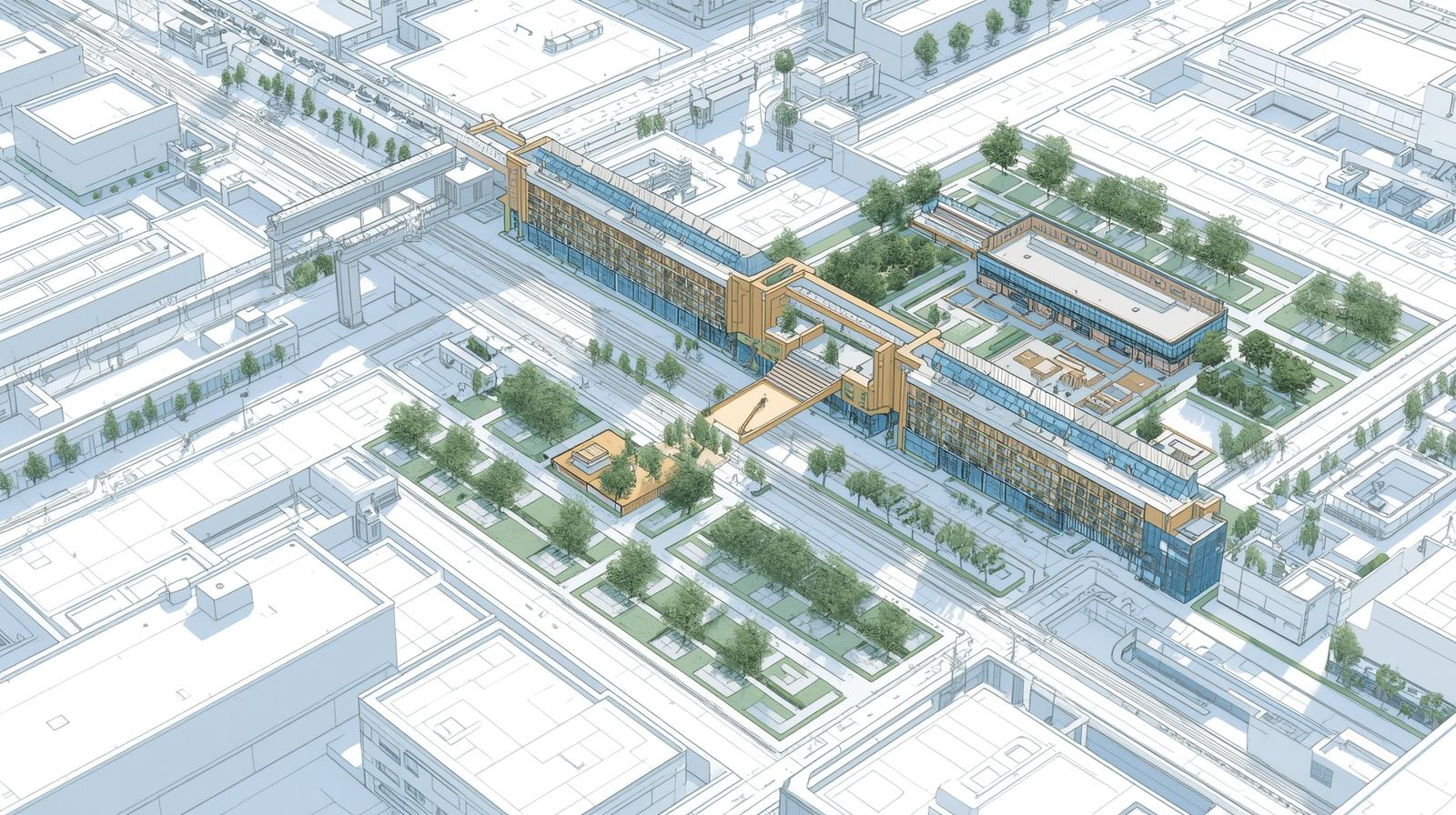
المواد الدراسية في تخصص التخطيط الحضري تشمل مجموعة واسعة من المواضيع التي تعزز الفهم الشامل للتطور الحضري والمفاهيم العمرانية.
يهدف تدريس هذه المواد إلى تجهيز الطلاب بالمعرفة والمهارات اللازمة للعمل كمخططين مدنيين.
قد تختلف المواد والمناهج بين الجامعات، ولكن إليك نموذجًا للمواد التي قد تشملها برنامج دراسة تخصص التخطيط الحضري:
- مبادئ التخطيط الحضري
- الجغرافيا الحضرية
- تاريخ العمران والمدن
- العمران والثقافة
- التصميم الحضري
- التخطيط الاقتصادي والمالي للمدن
- النقل والتنقل الحضري
- التطوير العقاري والعمراني
- الحوكمة الحضرية
- تخطيط الحدائق والمساحات الخضراء الحضرية
- العمران المستدام والاستدامة البيئية
- عمران المجتمعات الريفية
- تخطيط المدن الذكية والمستدامة
- التخطيط الإقليمي
- تطوير المناطق الصناعية
- السياسات العمرانية والتنموية
- تطوير وتنمية الأحياء العشوائية
- تخطيط المناطق الحضرية الجديدة
- إعادة تأهيل المناطق الحضرية المتهالكة
- الهندسة المدنية والعمرانية
- تصميم وتخطيط المشاريع العمرانية
- عمران الساحل والمدن البحرية
- الاقتصاد الحضري والاجتماعي
- علم الاجتماع الحضري
- القانون الحضري والتشريعات العمرانية
- النمذجة والتخطيط العمراني
- تقييم التأثير البيئي والاجتماعي للمشاريع العمرانية
- إدارة المشاريع العمرانية
- الاستشارات الحضرية والتخطيطية
- المسح الحضري وجمع البيانات
- الإحصاءات الحضرية
- تخطيط المرافق العامة والبنية التحتية
- التصميم المعماري للمشاريع الحضرية
- الطاقة والحضر
- النظم البيئية والحضرية
- إدارة المخاطر الحضرية والكوارث
- عمران المناطق الصناعية واللوجستية
- العمران والسياحة
- التنمية العمرانية والثقافية
- العمران والصحة العامة
- عمران المدن التاريخية والتراثية
- عمران المناطق الجبلية والطبيعية
- تخطيط المدن العمودية والأفقية
- الجوانب الاقتصادية والاجتماعية للعمران
- العمران والنقل المستدام
- تصميم المرافق الرياضية والترفيهية الحضرية
- عمران الحدائق الترفيهية والحيوانات البرية
- الجوانب السياسية والقانونية للتخطيط الحضري
- التنمية الاقتصادية والتجارية للمدن
- تحليل النمذجة الحضرية والاجتماعية.
الصفات الوظيفية
الصفات الوظيفية هي المهارات والصفات الشخصية التي يتوقع من الموظفين أو العاملين توفرها لأداء مهام ووظائفهم بفعالية وكفاءة.
هذه الصفات تعتبر أساسية لنجاح الأفراد في بيئة العمل وتحقيق أداء ممتاز وتطور مهني.
من بين الصفات الوظيفية المهمة يمكن ذكر ما يلي:
- الاحترافية: القدرة على العمل بمهنية عالية وتنفيذ المهام بمستوى عالٍ من الجودة والتفاني.
- الاتصال الفعال: القدرة على التواصل بوضوح وفعالية مع الآخرين، والاستماع الجيد وفهم متطلبات العمل.
- القيادة: القدرة على توجيه وتحفيز الفريق لتحقيق الأهداف المشتركة.
- التعاون: القدرة على العمل بروح الفريق والتعاون مع الزملاء لتحقيق النجاح المشترك.
- الابتكار والإبداع: القدرة على التفكير الإبداعي وابتكار حلول جديدة للتحديات الوظيفية.
- القدرة على التحمل: القدرة على التعامل مع ضغوط العمل والتحمل في مواجهة التحديات.
- القدرة على التنظيم: القدرة على تنظيم الوقت وإدارة المهام بشكل فعال.
- التحليل والقرار: القدرة على تحليل المعلومات واتخاذ قرارات مدروسة ومبنية على البيانات.
- الثقة بالنفس: الاطمئنان إلى قدرات الشخص وثقته في تنفيذ المهام المكلف بها.
- الالتزام والمثابرة: القدرة على الاستمرار في مواجهة التحديات وتحقيق الأهداف بالرغم من الصعوبات.
- القدرة على التعلم والتطوير: الاستعداد لتعلم مهارات جديدة وتحسين الأداء الوظيفي.
- الدقة والانتباه للتفاصيل: القدرة على التركيز وتجنب الأخطاء البسيطة.
هذه هي بعض الصفات الوظيفية المهمة التي يمكن أن تساعد الأفراد على تحقيق النجاح في مجالات العمل المختلفة.
يجب أن يسعى الأفراد إلى تطوير هذه الصفات وتحسينها باستمرار لتحسين أدائهم وتحقيق النجاح المهني.
مجالات العمل في تخصص التخطيط الحضري
تخصص التخطيط الحضري يفتح أبوابًا واسعة للعديد من المسميات الوظيفية ومجالات العمل المتنوعة.
إليك بعض المسميات الوظيفية المشتركة ومجالات العمل التي يمكن أن تكون متاحة لحملة هذا التخصص:
مسميات وظيفية:
- مخطط مدني (Urban Planner): يعمل على وضع الخطط والمشاريع التنموية للمدن والمناطق الحضرية.
- مخطط عمراني (Urban Designer): متخصص في تصميم وتنسيق المشاريع العمرانية والمساحات العامة في المدن.
- محلل بيانات عمرانية (Urban Data Analyst): يقوم بتحليل البيانات الحضرية واستخراج المعلومات الهامة لاتخاذ قرارات التخطيط الحضري.
- مخطط استدامة مدنية (Sustainable Urban Planner): متخصص في تطوير الخطط والمشاريع الحضرية التي تهدف إلى تحقيق الاستدامة البيئية والاجتماعية والاقتصادية.
- مدير تطوير مدني (Urban Development Manager): مسؤول عن تنفيذ المشاريع العمرانية وإدارة الفرق العاملة في مشاريع التطوير الحضري.
- مهندس مدني مختص بالتخطيط العمراني (Civil Engineer specialized in Urban Planning): يجمع بين معرفته في الهندسة المدنية والتخطيط الحضري لتنفيذ المشاريع بشكل متكامل.
مجالات العمل:
- الجهات الحكومية: يمكن للمخططين الحضريين العمل في الجهات الحكومية على وضع الخطط والسياسات الحضرية وتنفيذها.
- شركات التطوير العقاري: يمكن للمخططين الحضريين العمل مع شركات التطوير العقاري على تطوير المشاريع العمرانية الجديدة.
- الاستشارات الهندسية والتخطيطية: يمكن للمخططين الحضريين العمل كمستشارين مستقلين أو مع شركات الاستشارات الهندسية والتخطيطية لتقديم الخدمات الخاصة بالتخطيط الحضري.
- المنظمات الدولية والمؤسسات العالمية: يمكن للمخططين الحضريين العمل في المنظمات الدولية والمؤسسات العالمية التي تعمل على تطوير المشاريع العمرانية والتخطيط الحضري على المستوى العالمي.
- البحث الأكاديمي: يمكن لحملة تخصص التخطيط الحضري العمل في مجال البحث الأكاديمي للمساهمة في تطوير المعرفة والتقنيات في مجال التخطيط الحضري.
الخاتمة
يمثل تخصص التخطيط الحضري مجالًا هامًا وشيقًا يعنى بتطوير وتنمية المدن والمناطق الحضرية بطريقة مستدامة وجذابة.
يساهم المخططون الحضريون في خلق مدن متكاملة وجذابة، توفر بيئة ملائمة للسكان والمجتمعات للعيش والعمل والترفيه.
عن طريق وضع الخطط والسياسات العمرانية المناسبة، يمكن للمخططين الحضريين تحسين جودة الحياة والبيئة الحضرية، والعمل على حل التحديات العمرانية والاقتصادية والاجتماعية التي تواجه المدن في الوقت الحالي والمستقبل.
باعتباره تخصصًا متعدد التخصصات، فإن دراسة التخطيط الحضري يمنح الطلاب فرصًا لاحتضان مجموعة من التحديات والتفاعل مع الجوانب الفنية والاقتصادية والاجتماعية والبيئية للمدن.
على مدى العقود القادمة، سيظل التخطيط الحضري محورًا مهمًا للتنمية المستدامة والتطور الشامل للمدن.
يتطلب العمل في هذا المجال التفكير الإبداعي والحلول الذكية لمواجهة التحديات المعاصرة مثل التلوث البيئي، وتزايد النمو السكاني، والاحتياجات المتزايدة للبنية التحتية.
إذا كنت تفكر في متابعة تخصص التخطيط الحضري، فإنك تسعى إلى إحداث تأثير إيجابي في المجتمع والمساهمة في تطوير مدن أكثر استدامة وجاذبية للجميع.
نأمل أن يكون المعلومات التي قدمناها مفيدة لك، ونتمنى لك التوفيق في رحلتك الأكاديمية والمهنية.
إذا كان لديك أي استفسار آخر، فلا تتردد في طرحه، نحن هنا للمساعدة في أي وقت.
المصادر
- جمعية التخطيط الأمريكية (APA): ما هو التخطيط الحضري؟ – مرجع عالمي لتعريف معايير وأسس التخطيط.
- برنامج الأمم المتحدة للمستوطنات البشرية (UN-Habitat): التخطيط والتصميم الحضري – حول التنمية المستدامة والمدن.
- منصة كورتيرا (Coursera): مساقات التخطيط الحضري – للاطلاع على المحتوى الأكاديمي العالمي للتخصص.
لا توجد تعليقات بعد